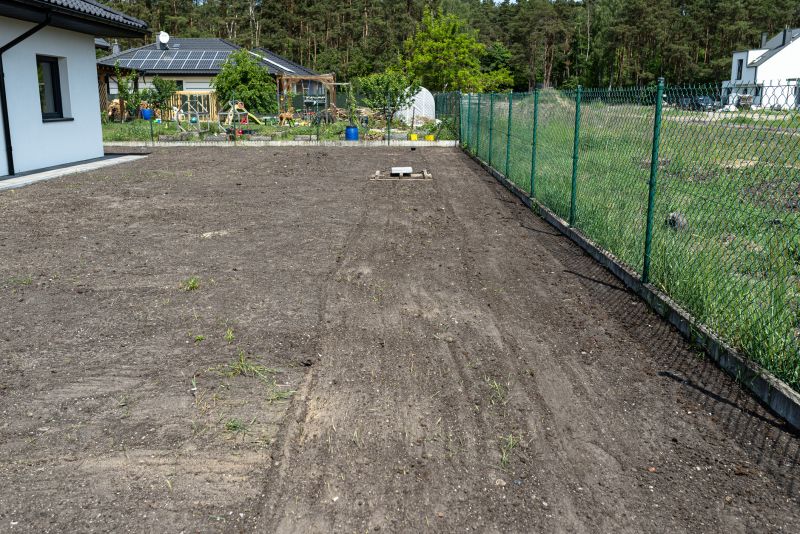
Land Leveling in Houston, TX
Land leveling services involve adjusting the elevation of a property’s surface to create a smooth, even terrain. This process is commonly used for preparing land for construction projects, establishing a proper drainage system, or improving the overall appearance of a yard. Property owners in Houston and surrounding areas often request land leveling to ensure their land is suitable for installing lawns, gardens, driveways, or building foundations, helping to prevent water pooling or erosion issues.
Before requesting land leveling, property owners should consider the current condition of their land, including any existing structures, trees, or underground utilities. Understanding the scope of the project, such as the size of the area and the desired grade, can help determine the appropriate approach. It is also helpful to clarify any specific drainage concerns or landscaping plans to ensure that the leveling work aligns with future property use.
Many property owners in Houston, TX look into Land Leveling for repairs, replacements, upgrades, and appearance-related improvements.
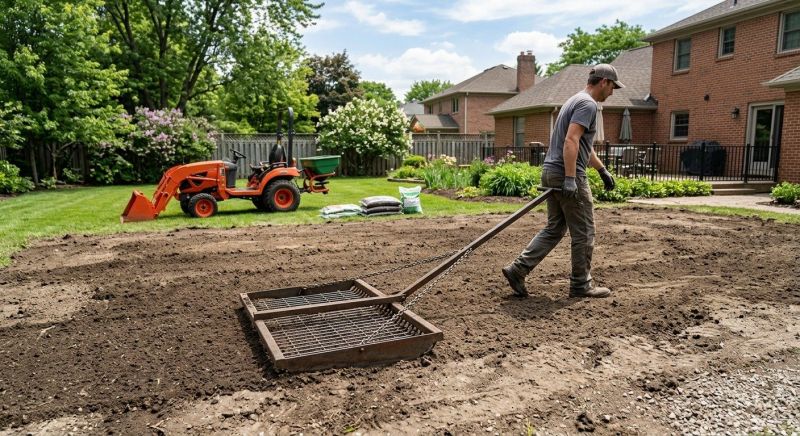
Enhancing Property Drainage
Land leveling improves drainage by creating a smooth, even surface to prevent water pooling.
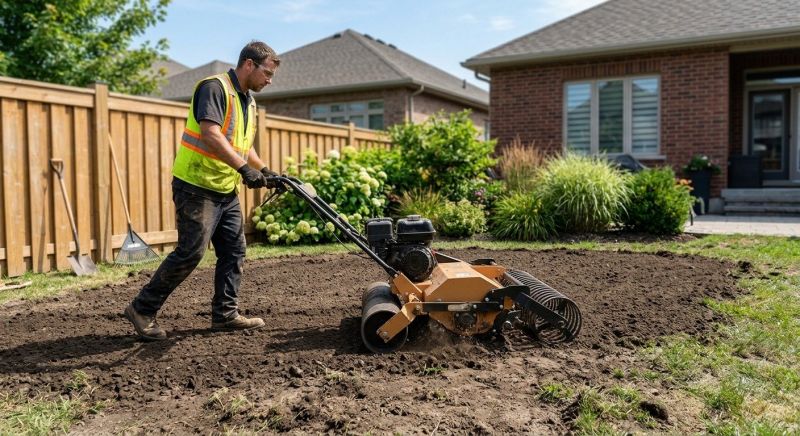
Preparing For Construction Projects
Proper land grading sets a stable foundation for building patios, driveways, or new structures.
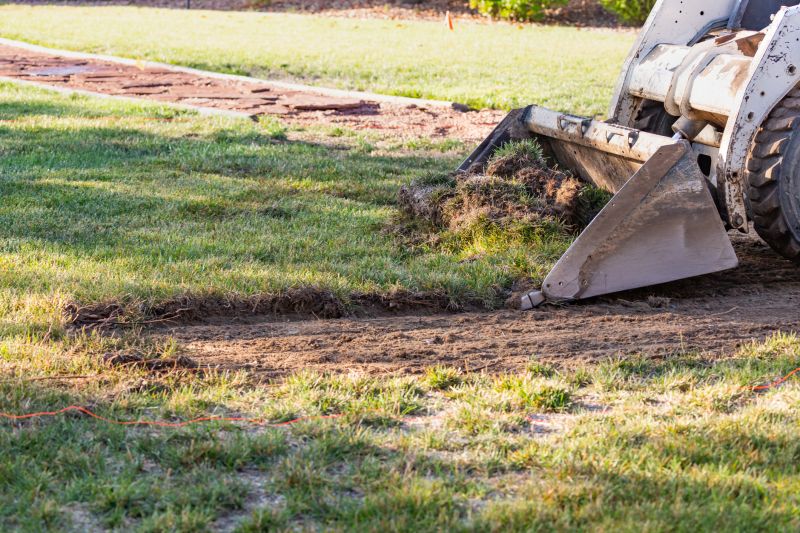
Maintaining Yard Aesthetics
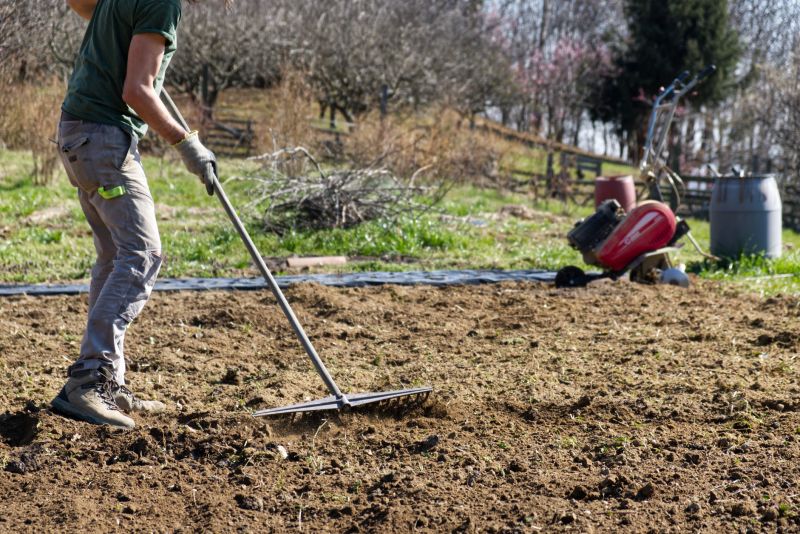
Leveling helps achieve a uniform yard appearance and reduces uneven terrain for safer outdoor spaces.
Land Leveling in Houston, TX

Land leveling services involve adjusting the elevation of a property’s surface to create a smooth, even terrain. This process is commonly used for preparing land for construction projects, establishing a proper drainage system, or improving the overall appearance of a yard. Property owners in Houston and surrounding areas often request land leveling to ensure their land is suitable for installing lawns, gardens, driveways, or building foundations, helping to prevent water pooling or erosion issues.
Before requesting land leveling, property owners should consider the current condition of their land, including any existing structures, trees, or underground utilities. Understanding the scope of the project, such as the size of the area and the desired grade, can help determine the appropriate approach. It is also helpful to clarify any specific drainage concerns or landscaping plans to ensure that the leveling work aligns with future property use.
Many property owners in Houston, TX look into Land Leveling for repairs, replacements, upgrades, and appearance-related improvements.
Common Land Leveling Jobs
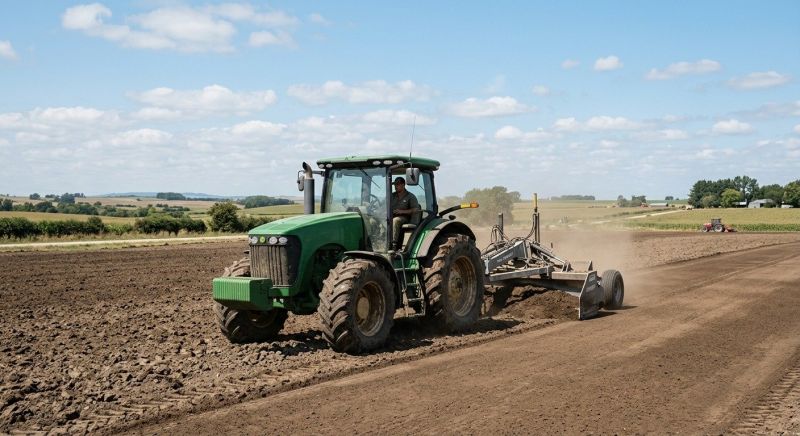
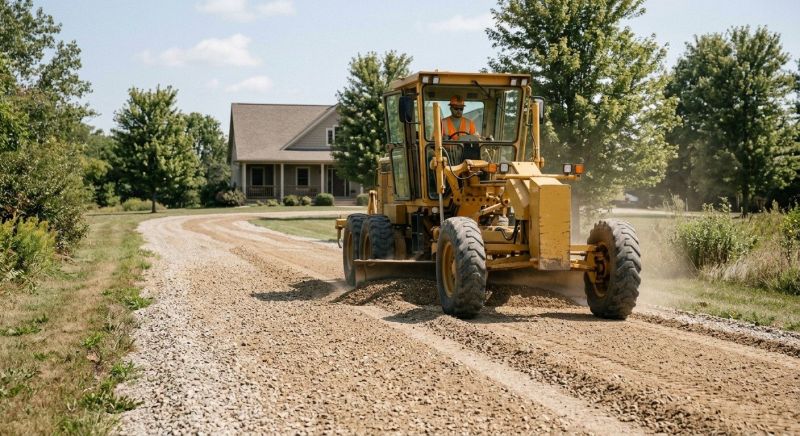
Land leveling involves smoothing and grading land to create an even surface for construction or landscaping projects.
Agricultural land leveling helps improve irrigation efficiency and crop production by ensuring uniform field surfaces.
Yard grading prepares residential properties for proper drainage and prevents water pooling around foundations.
Site preparation includes leveling land before installing driveways, patios, or other outdoor features.
Erosion control involves adjusting land contours to reduce soil loss and manage runoff effectively.
Construction site grading ensures a stable base for building foundations and infrastructure development.
Land Leveling Questions
What is land leveling? Land leveling involves smoothing and grading the ground to create a flat, even surface suitable for construction, landscaping, or agriculture.
When is land leveling needed? It is typically required when a property has uneven terrain, drainage issues, or is preparing for new construction or landscaping projects.
How does land leveling benefit property owners? Proper leveling improves drainage, prevents erosion, and provides a stable foundation for future projects or landscaping efforts.
What types of projects require land leveling? Common projects include building lawns, installing patios, preparing farmland, or creating level surfaces for sports fields.
Request Land Leveling in Houston, TX
Use the quote form on this page to share the basics of your project and request more information for the type of work you need.